
Introduction:
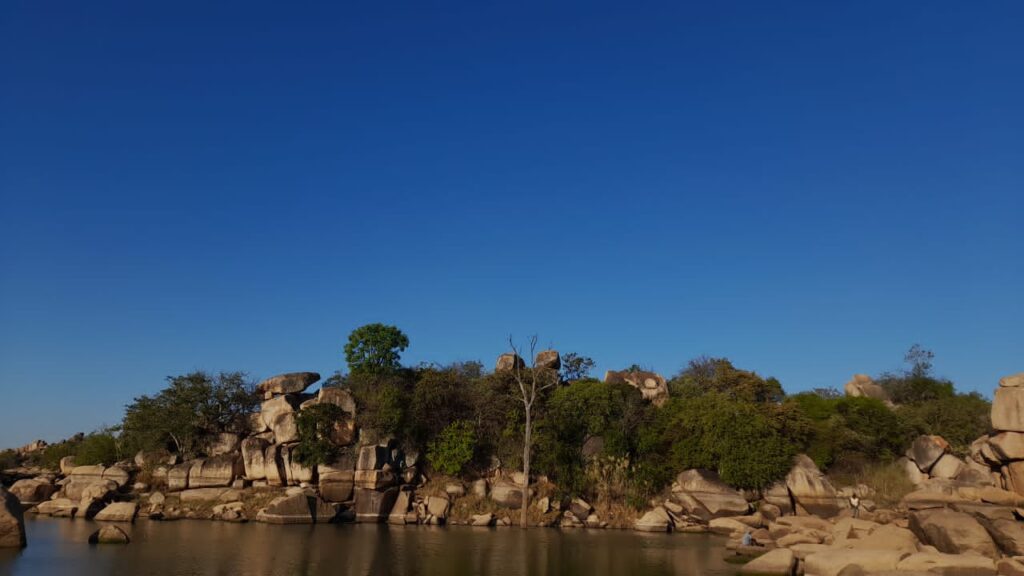
Zimbabwe, a nation known for its rich biodiversity and stunning landscapes, is currently facing an escalating crisis – the alarming rise of wildlife poaching. While the country’s natural beauty continues to captivate the world, the illicit hunting of its precious wildlife, driven by the demand for high-value animal products, threatens to undermine decades of conservation efforts.
Understanding the Causes:
The surge in wildlife poaching can be attributed to a confluence of factors, including:
Economic Pressures: Zimbabwe, like many nations, grapples with high levels of unemployment. As a result, the allure of quick profits from the illegal wildlife trade has enticed many individuals, creating a poaching epidemic.
Demand for Wildlife Products: The international market for wildlife products, such as rhino horn, elephant ivory, bush meat, lion bone, and pangolin scales, continues to thrive. This demand fuels the incentive for poachers to target these species.
Lack of Resources: Conservation efforts are often hampered by limited resources. Park rangers and anti-poaching units struggle to cover vast areas and protect wildlife effectively.
The Impact on Endangered Species:
The consequences of this poaching crisis are dire. Several species are at risk:
Rhinos: Zimbabwe is home to both black and white rhinos, and these majestic creatures are being hunted for their valuable horns. The loss of rhinos would be a severe blow to the nation’s biodiversity.
Elephants: Iconic African elephants face relentless threats from poachers. The ivory trade remains lucrative, and elephants continue to fall victim to this demand.
Lions: Zimbabwe’s lion population is also under siege. Lion bones are sought after for their use in traditional medicine, and poachers target these big cats.
Pangolins: These unique and elusive creatures, known for their scales, are the most trafficked mammals globally. They face a constant threat from poachers seeking to satisfy the black market.
Combating the Crisis:
Despite the challenges, Zimbabwe is not giving up the fight to protect its wildlife. Anti-poaching efforts, like the Anti-Poaching K-9 Units and conservation organizations, work tirelessly to counter poaching activities. They employ various strategies, including the use of technology like drones and GPS tracking to enhance surveillance.
Community Engagement:
Engaging local communities is a vital component of wildlife conservation. By providing employment opportunities, education, and incentives for conservation, these initiatives help reduce poaching pressures and foster a sense of shared responsibility for Zimbabwe’s natural heritage.
Conclusion:
The alarming rise of wildlife poaching in Zimbabwe is a stark reminder of the ongoing challenges in conservation. The continued demand for wildlife products, economic pressures, and resource limitations pose formidable obstacles. However, the resilience and dedication of anti-poaching units, conservationists, and local communities offer hope for the future. With international support and awareness, Zimbabwe can overcome this crisis and ensure that its breathtaking landscapes and incredible biodiversity continue to thrive for generations to come.